

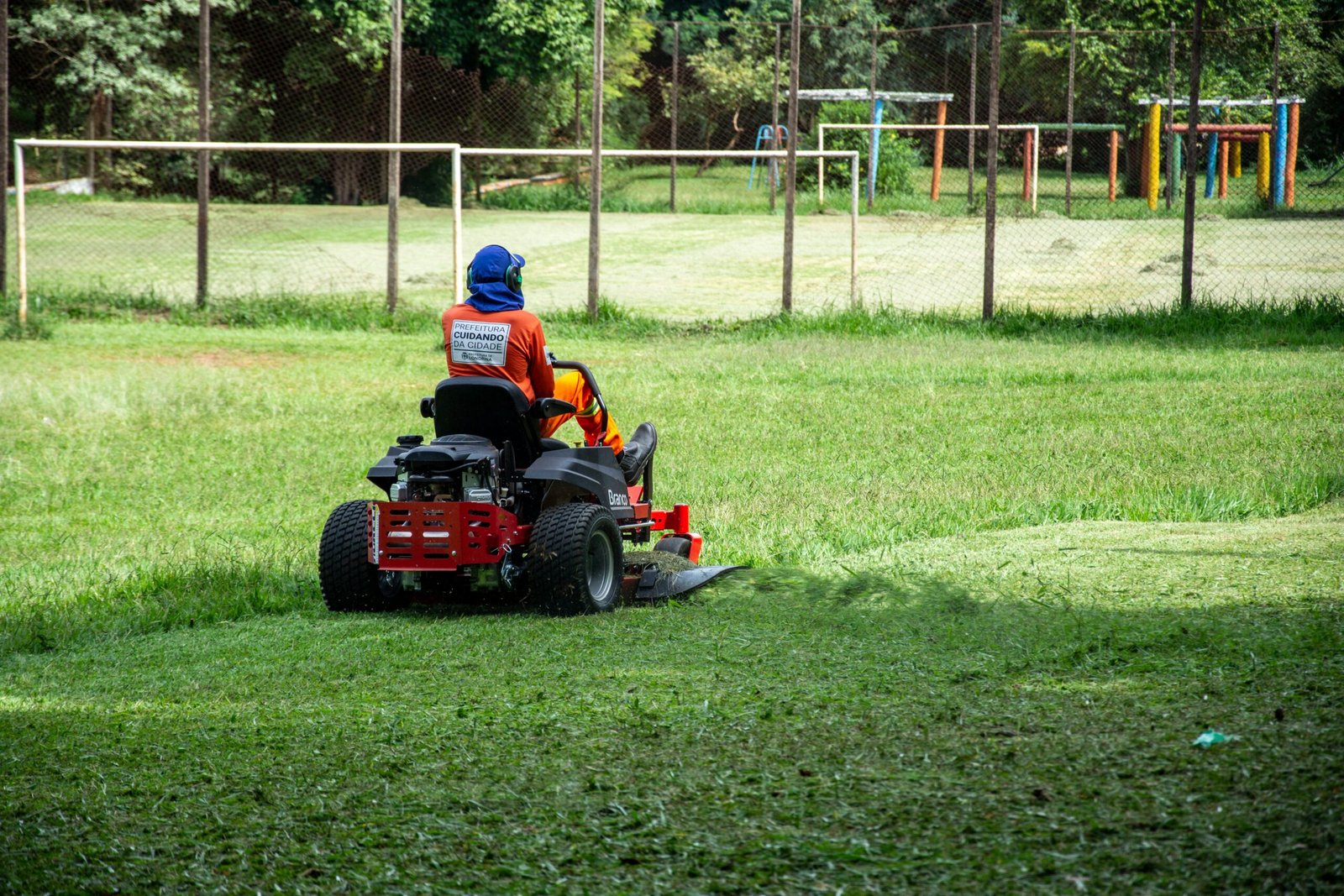
Landscaping transforms outdoor spaces through plant selection, landform shaping and built features to improve beauty, function and ecology. This article explores how landscape architecture and gardening principles guide landscaping services, how to find reliable ‘landscaping near me’, what services are offered, costs and sustainable practices, and how homeowners and businesses can plan projects that blend aesthetics, drainage, and local climate.
What landscaping means and how it differs from landscape architecture and gardening?
Landscaping is the practice of modifying the visible features of a property, integrating both living elements like plants (trees, shrubs, lawns, flowers) and non-living components such as landforms, water features, and abstract elements including lighting and spatial organization. The scope of landscaping ranges from simple enhancements to complete transformations of outdoor spaces, with a focus on aesthetics, function, ecology, and maintenance.
Landscape architecture differs from general landscaping in scale and regulation. It is a licensed, multidisciplinary profession concerned with planning, designing, and managing land at larger scales—public parks, urban developments, campuses, and complex private estates. Landscape architects address site ecology, circulation, grading and drainage, and regulatory compliance, collaborating with engineers and other specialists.
Gardening focuses primarily on the cultivation and care of plants for beauty or food within smaller, defined areas. While landscaping may include gardening as a component, gardening does not typically involve manipulation of landforms or integration of structural and infrastructural elements.
The relationship among these disciplines is hierarchical and complementary: landscape architecture shapes the overall outdoor environment, landscaping implements or maintains these designs (and operates independently at smaller scales), and gardening refines and sustains plantings within those frameworks.
Comprehensive site analysis is fundamental to sound landscape design. Key factors include:
- Sun orientation: Tracks the path of sunlight, influences plant selection and placement.
- Slope and topography: Determines water runoff, erosion control, and grading needs.
- Soil type and depth: Dictates plant viability and potential for drainage or compaction issues.
- Drainage and frost line: Affects survivability of plants and stability of structures.
- Prevailing winds: Informs placement of windbreaks and seating areas.
- Native vegetation: Offers insight into local ecology and low-maintenance options.
Grading (cut and fill) adjusts elevation for function and aesthetics; soil amelioration improves fertility and structure. Purposeful landforms—such as berms for noise screening, terraces for usable level areas, or ponds for stormwater—demonstrate how landscaping manipulates the land.
For example, in a suburban yard, landscaping might involve regrading a slope for play areas, installing a planting bed, and placing boulders for a naturalistic look. In contrast, a public park might require large-scale earthworks, stormwater management ponds, native habitat zones, and distinct lighting for safety.
Homeowner’s First Site Evaluation Checklist:
- Observe sun exposure (morning, midday, afternoon)
- Note areas of standing water after rain
- Check soil texture (sand, silt, clay)
- Identify existing plants/trees and general health
- Map sloped or uneven areas
- Consider views and privacy needs
Clear understanding of these foundational distinctions lays the groundwork for evaluating the variety of landscaping services available, which the next chapter will detail.
Common landscaping services what they include and when you need them
Landscaping services encompass a spectrum of professional offerings, helping homeowners and businesses realize both curb appeal and functional spaces tailored to their needs. These services generally break down into categories, each with its own process, specialized providers, and maintenance implications.
Design and Planning
- Concept plans: Broad layouts showing major zones, initial styles, and functional areas; generated by a landscape designer or architect within a few meetings.
- Master plans: Detailed technical documents specifying materials, plant species, grading, lighting and outdoor infrastructure; typically created by licensed landscape architects for larger or public projects.
- Planting plans: Focused on placement, species choice and soil recommendations; designers or horticulturists prepare these for residential or corporate settings.
Deliverables are often drawings, materials lists, specifications, and supporting sketches. For projects with substantial grading or involving public land, a licensed architect or civil engineer is necessary.
Softscape
- Native and adaptive planting
- Lawn installation (sod, seed, artificial turf)
- Tree and shrub placement (sometimes requiring certified arborists for large or valuable trees)
- Soil improvement and amendment
Timelines depend on scope: lawns and bed prep might finish in days; mature tree plantings could span a week or more. Ongoing care—watering, mowing, and pruning—will be required.
Hardscape
- Patios, decks, and terraces
- Walkways and driveways
- Retaining walls and steps
Installations are handled by landscaping contractors, sometimes with engineered drawings for load-bearing structures or high walls. Timeline: one week for patios, several for complex features. Maintenance includes cleaning, resealing, and occasional repair.
Water and Drainage Work
- Grading and contouring
- Swales, French drains, dry creek beds
- Ponds, fountains, rain gardens
- Stormwater management systems
- Irrigation system installation
Licensed civil engineers are vital for significant grading or public stormwater projects; residential work may only require a qualified contractor. Deliverables include drainage maps, irrigation plans, and as-built documentation.
Installation
- Project management and contractor staging (sequencing trades, ordering materials)
- On-site layout and execution
A single point of contact, usually a landscape contractor, manages schedules, permits, and team coordination. Typical projects range from days for plantings to several weeks for integrated landscapes.
Maintenance
- Lawn mowing, trimming, and edging
- Tree and shrub pruning and removal
- Fertilization and pest management
- Seasonal cleanups and mulch replenishment
Landscaping crews or dedicated arborists manage these. Maintenance may be weekly, biweekly, or seasonally.
Sample questions for estimates:
- Who will perform the work and what are their qualifications?
- What is the project timeline and payment schedule?
- Are permits or engineered plans required?
- What does ongoing maintenance entail?
- Are there warranties or follow-up services provided?
Knowing which services fit your project will help when searching for “landscaping near me” and choosing the right local professionals—topics addressed in the next section.
How to find landscaping near me vet contractors and compare quotes
When searching for quality landscaping services, focusing on local contractors offers substantial benefits. Landscaping “near me” results are essential because they connect you with professionals experienced in your climate, familiar with top-performing plants for your region, and acquainted with local permitting and construction codes—helping you avoid costly compliance issues.
- Start your search: Use terms like “landscaping near me,” “landscaping service + [your city],” and check platforms such as Google Business Profile, Yelp, Nextdoor, and neighborhood Facebook Groups for vetted local providers.
- Screen portfolios: Examine before/after galleries on contractor websites and social pages. Look for recent, regional examples that match your intended scope.
- Verify credentials: Always request proof of local business licenses and liability insurance. Reputable pros will readily supply these.
- Check references and reviews: Contact at least two references and read Google and local review platform feedback, focusing on communication, reliability, and final results.
- Request site visits and written quotes: Insist on an on-site assessment, not just a phone or photo estimate. Get detailed, written quotes outlining tasks, materials, and timeline.
- Compare scope and pricing: Review line-item estimates: Are all services, products, site prep, disposal, and unforeseen extras spelled out?
- Clarify warranties and maintenance: Ask about plant/material guarantees and whether any maintenance follow-up is included.
Red flag checklist:
- No written contract
- Vague or confusing scope of work
- Large upfront, cash-only payment requests
Check with your city for permits when work involves grading, retaining walls, new irrigation systems, pond installation, or structural features. For complex grading or engineered walls, request engineered plans.
During the site visit, you might ask: “How will you handle drainage and soil quality?”, “Which plants thrive here long-term?”, or “How do you ensure irrigation avoids runoff?” Negotiate timelines and payments by seeking phased schedules—pay by milestone completion, not upfront lump sums.
Next, evaluate costs, required permits, and sustainable design strategies to optimize your landscaping investment.
Costs permits and sustainable landscaping practices
Cost drivers in landscaping projects depend on many site-specific and design-related elements. Understanding these factors helps homeowners set realistic budgets and prioritize choices for impact and sustainability. Here’s how key factors affect both initial costs and long-term maintenance:
- Project Scale: Larger areas require more labor and materials; sprawling projects grow costs exponentially with increased site prep and plant/material needs.
- Materials: Natural stone and high-end pavers cost more initially but offer durability, while budget choices like concrete or gravel have lower up-front expenses but may require more maintenance. Synthetic turf is costly but may reduce water bills.
- Plant Size/Species: Mature trees and large shrubs cost more to purchase and install, but provide instant impact; opting for younger, smaller plants significantly reduces up-front costs at the expense of slower results.
- Site Preparation: Grading, soil import/export, root barrier installation, or removal of old structures add invisible but crucial costs that protect long-term investment.
- Irrigation/Drainage: Smart irrigation systems increase upfront expense but lower water waste, while drainage solutions like French drains or bioswales are critical for landscape longevity and may be required by code.
- Labor: Skilled crews and specialized features (retaining walls, lighting) raise labor costs.
- Design Fees: Professional design provides efficiency but represents 5–15% of project cost; up-front investment can reduce errors and rework.
Permits and regulatory approvals are a critical step. Common requirements include:
- Grading permits: For re-contouring land or major soil movement.
- Retaining wall/structural permits: Required for walls above certain heights or walls affecting drainage.
- Stormwater controls: Often needed for patios, driveways or work near water features.
- HOA or historic approvals: May restrict plant choices or dictate design.
Always check with your municipality before construction; non-compliance may lead to costly removals or legal action.
Sustainable landscaping best practices reduce long-term expenses and resource use with:
- Native plants and xeriscaping: Select regional species and drought-adapted palettes to minimize irrigation needs and pests.
- Soil improvement: Compost and organic amendments boost plant establishment, root health, and water infiltration—less need for fertilizers or frequent watering.
- Rain gardens/bioswales: Capture and filter runoff, slow erosion, and increase biodiversity while complying with local stormwater codes.
- Permeable pavers and mulches: Allow rainwater absorption, reducing runoff and maintenance by suppressing weeds and stabilizing soil temperature.
Practical cost-saving tips include:
- Phase improvements over several seasons to spread cost.
- Start with container plantings or smaller trees, maturing the garden gradually.
- Prioritize effective drainage and soil prep upfront, even if it means holding off on non-essentials.
For more on working with experts, see the chapter on contracting with professionals and SEO to connect with reputable landscaping services.
Working with professionals and local SEO tips for finding landscaping services
Securing a successful landscape project starts with a clear, professional approach to contracting. Always insist on a written agreement that details:
- Scope of work: exact services and deliverables, with drawings or plans if applicable.
- Materials: brands, sizes, and specific plant species/types to avoid substitutions.
- Payment schedule: amounts, milestones, and retainage to protect your investment.
- Change order procedures: how additions or adjustments are approved and billed.
- Warranties: what’s covered on hardscape/plant materials and installation workmanship.
- Maintenance responsibilities: clarify what’s covered during the establishment period.
Retain copies of required permits and any “as-built” plans to streamline future upkeep or changes.
Within the first year after installation, stay proactive:
- Schedule quarterly irrigation checks and seasonal plant assessments.
- Monitor soil moisture and adjust watering for establishment.
- Inspect mulch coverage and replenish as needed.
- Remove weeds and damaged plant material promptly.
- Keep hardscape joints, drains, and lighting clean and operational.
To reliably find “landscaping near me,” utilize local online search and robust contractor profiles. For small businesses, set up a Google Business Profile with accurate NAP details and a service-area radius. Collect and respond to reviews, add recent project galleries, and generate city-specific service pages using keywords like “landscaping services [your city]” or “landscape design near me.” Ensure your website is mobile-friendly and loads quickly.
When browsing contractors online, review for:
- Recent, clear project photos.
- Authentic customer reviews and testimonials.
- Detailed service and “About” pages, plus easy-to-find contact information.
Combine a thorough property analysis, multiple vetted estimates, and a focus on sustainable design to set your landscape transformation in motion.
Conclusions
Well-planned landscaping combines horticulture, site analysis and design to raise property value, reduce maintenance and support local ecosystems. By choosing licensed professionals, clarifying scopes, comparing quotes and prioritizing sustainable materials and native plants, homeowners can achieve durable, attractive outdoor spaces. Use local searches like ‘landscaping near me’ and verified reviews to find services that match budget, permits and landscape goals.
[…] Granite camouflage blends into landscaping, TWS sync for immersive sound, app-controlled pairing/volume, survives rain/hose-downs.Cons: […]